BUYING GUIDE
Retro Sneaker Sizing: How to Compare US, UK and EU Sizes
A practical sizing guide for retro sneakers, explaining US, UK and EU labels, men's and women's sizing, model variation, width, and resale listing checks.
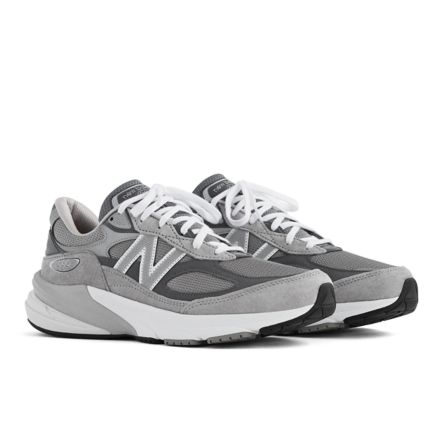
Why sneaker size labels cause expensive mistakes
Retro sneakers are sold across regions, genders, generations, and marketplaces. A listing that simply says “size 10” is incomplete unless the size system and product version are clear. Before buying, identify the exact shoe and confirm how its internal label expresses size.
Do not use one universal conversion rule
US, UK, and EU size relationships vary by brand and sometimes by product. Men's, women's, unisex, junior, and regional labels can also differ. Use the manufacturer's size chart for the exact brand as the primary reference rather than memorizing a single conversion formula.
1. Confirm the size system in the listing
Ask whether the stated size is US men's, US women's, UK, EU, or another system. Marketplace filters can display a converted size while the physical label uses several systems. The internal size-tag photograph is the best way to see what the shoe itself says.
2. Check men's, women's, and unisex designation
The same numeric US size can mean different lengths in men's and women's ranges. A unisex product may be marketed using one primary scale while showing multiple values on the label. Do not infer the designation from the colorway or who is modeling the shoe.
3. Compare centimeters or manufacturer length guidance when available
Length-based guidance can help when comparing regional labels, but it is not a substitute for fit. Brands may measure foot length, last length, or recommended size differently. Use the manufacturer's own explanation of the measurement.
4. Model and generation matter
Two sneakers from the same brand can fit differently because of toe shape, padding, upper materials, lining, and intended use. Retro basketball shoes may feel more structured than modern knit runners. Different generations of a long-running model can also change internally even when the nominal size is unchanged.
5. Width matters as much as length
A correct length can still feel wrong when the shoe is too narrow or too wide. Check whether the model is offered in explicit widths and whether the listing includes a width code. For models sold only in one standard width, read release-specific fit guidance rather than assuming the silhouette will suit every foot.
6. Use a shoe you already own as a reference
Find a well-fitting sneaker from the same brand or, ideally, the same model family. Compare the complete internal label: regional sizes, product code, and width where present. This is more useful than comparing only your usual casual-shoe size.
7. Be careful with older and pre-owned pairs
Used sneakers can feel different because insoles compress, leather stretches, heel padding wears down, or replacement insoles have been installed. Ask whether the original insoles are included and whether the seller has noticed unusual stretching or shrinkage.
8. Confirm both shoes carry consistent labels
Request photographs of the internal label from both shoes on valuable resale purchases. The size, style code, and production information should be consistent with the release. Mismatched shoes or replacement components can complicate both fit and identification.
9. Understand the return risk before choosing between sizes
If you are between sizes, the retailer's return policy becomes part of the sizing decision. Check whether returns are allowed after trying the shoes on indoors, whether resale transactions are final, and whether return shipping or marketplace fees are refundable.
A safer sizing workflow
- Identify the exact model and release.
- Confirm whether the listing uses US men's, US women's, UK, EU, or another scale.
- Check the internal label photograph.
- Open the manufacturer's current size chart for that brand.
- Read fit guidance for the exact model or release.
- Account for width, padding, and upper material.
- Compare with a known well-fitting shoe.
- Review return terms before ordering.
Common sizing mistakes
- Assuming “US 10” always means US men's 10.
- Using one internet conversion chart for every brand.
- Ignoring width codes on New Balance and other width-based models.
- Assuming every generation of a model fits identically.
- Buying from a resale listing without seeing the size tag.
- Forgetting that replacement insoles can change internal volume.
Editorial recommendation
Treat the manufacturer's chart and the exact shoe label as the baseline, then adjust for model-specific fit and your own known reference pair. When sizing remains uncertain, favor a seller with a clear return route rather than guessing on a final-sale purchase.
This guide provides general sizing information. Individual fit depends on foot shape, model construction, and personal preference.
Related content
Sneakers and model families connected to this guide are grouped here.